
Designed for use in a wide range of industrial applications, it is ideal for applications such as screening, sorting, and conveying a variety of different materials, from powders and granules to heavy bulk solids.
One of the key features of the Divergator is its unique design, which uses a series of specially designed divergent bars to create a gentle, uniform vibration across the entire surface of the machine. This ensures that materials are evenly distributed and effectively screened or sorted, without any unnecessary damage or wear.

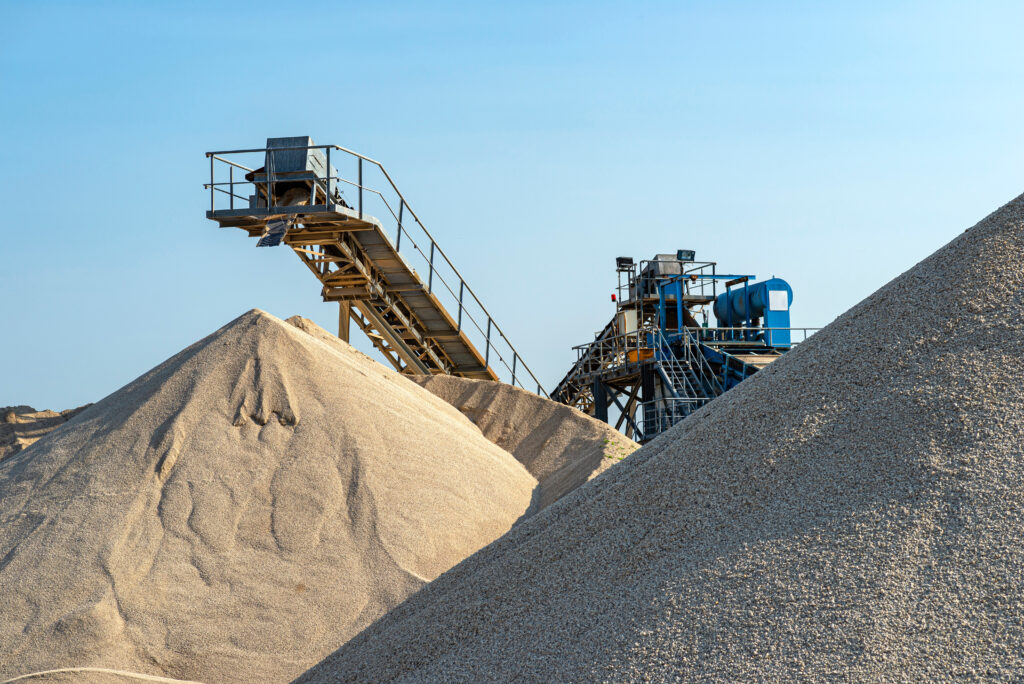
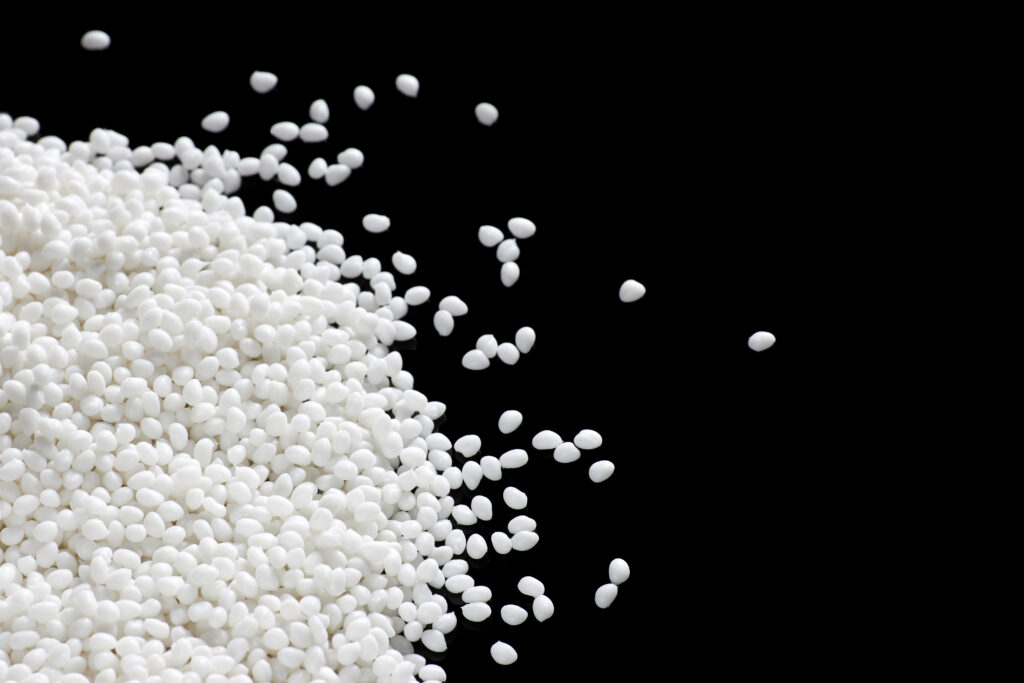

The standard separations are 25 to 400mm and individual material pieces can exceed 1m and 3 tonnes. The Divergator is particularly good at handling sticky materials and its unique design of bar placement creates a self-cleaning and blockage free operation.
The Divergator is also highly versatile, with a range of different configurations available to suit the specific needs of your application. It can be used as a standalone machine or integrated into existing production lines, and is available in a range of sizes and capacities to suit everything from small-scale laboratory work to large-scale industrial processing.
In addition to its impressive performance and flexibility, the Divergator is also incredibly reliable and low-maintenance, thanks to its robust construction and use of high-quality materials. It is easy to clean and requires minimal downtime for maintenance or repairs, ensuring maximum uptime and productivity for your operation.
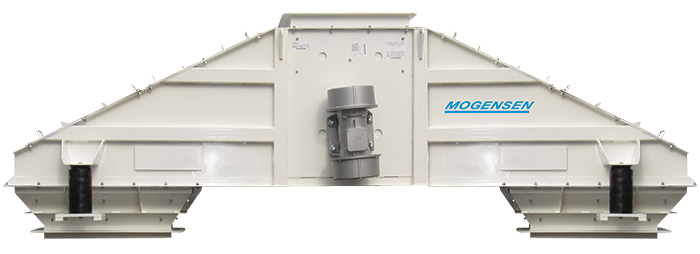

So if you’re looking for a high-quality vibratory equipment solution for your industrial application, manufactured here in the UK, look no further than the Divergator from Mogensen. Contact us today to learn more or to request a quote.
Can’t find what you’re looking for? Maybe these FAQs could help.
A divergator is a coarse material separator that splits and directs bulk material using a series of divergent bars. Unlike most vibratory equipment, it does not need a vibratory drive, so it is unpowered, and it can handle high capacities without blocking. Divergators are used for screening, sorting and directing materials, from granular products up to heavy bulk solids.
A divergator uses a series of specially arranged divergent bars to spread and separate material across its surface as it flows through under gravity. The bar layout creates a self-cleaning, blockage-free action, so material is sorted and directed without a motor or drive. This makes it simple, reliable and very low maintenance.
No. A divergator is unpowered and does not require a vibratory drive to operate. Gravity-driven material flow and the divergent bar design do the work, which keeps running costs and maintenance very low while still handling high capacities.
Divergators are typically used for coarse separations, often from around 25mm up to 400mm, and they can handle very large individual pieces, sometimes exceeding a metre and several tonnes. Bar sizes are usually bespoke and replaceable, and the unit is built in medium or heavy duty construction to suit the material.
Yes. Divergators are well suited to sticky materials, because the bar arrangement creates a self-cleaning, blockage-free operation. This makes them a reliable choice where conventional screens would blind or clog, with minimal downtime for cleaning or maintenance.
Divergators are used across a wide range of industries for screening, sorting and directing coarse materials, from small-scale work up to large industrial processing. They suit ore and heavy bulk solids and can be used as a standalone unit or built into an existing production line.