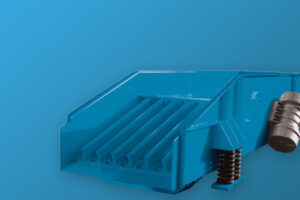
Grizzly Feeder Design
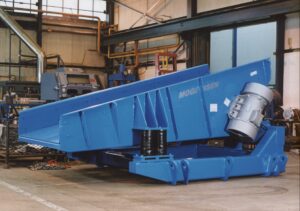
The key factors in grizzly feeder design: bar spacing, stroke, angle and capacity for heavy-duty material handling.


The key factors in grizzly feeder design: bar spacing, stroke, angle and capacity for heavy-duty material handling.
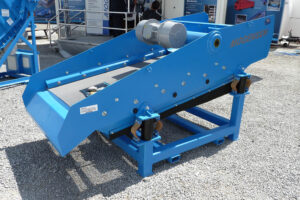
How to choose a vibrating screen: feed rate, material, mesh and deck count, with practical guidance.
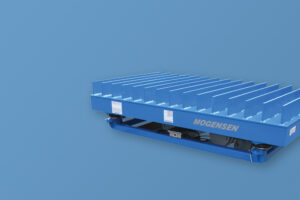
How vibratory tables compact, settle and de-aerate material in bags, drums and containers.
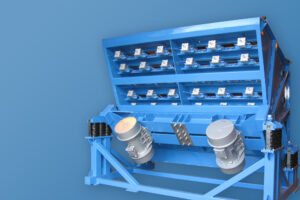
Wire mesh vs polyurethane screen media: open area, wear life and cost, so you can choose the right option.
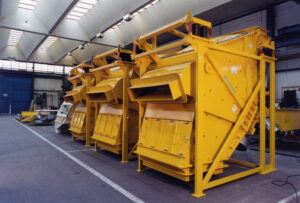
Screening and feeding in mining: how vibrating screens, feeders and sizers classify and control mineral flow.

A practical vibrating screen maintenance checklist covering mesh, bearings, springs, drives, structure and safety.
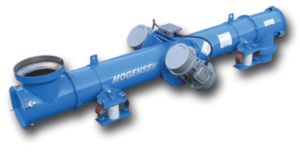
How vibratory conveyors move, cool and dewater bulk material gently and reliably through process plants.
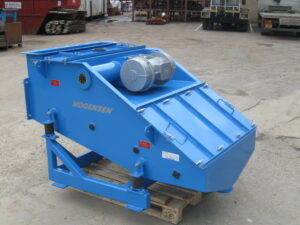
Single deck vs double deck vibrating screens: how extra decks add product sizes, capacity and process flexibility.
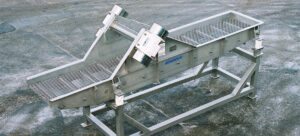
How hygienic vibratory screening and sieving protect product quality in food processing lines.
Blinding, pegging, cracked decks and uneven feed are common vibrating screen problems. Here is how to spot and fix them.